

Tuberous (Tubular) Breast Deformity
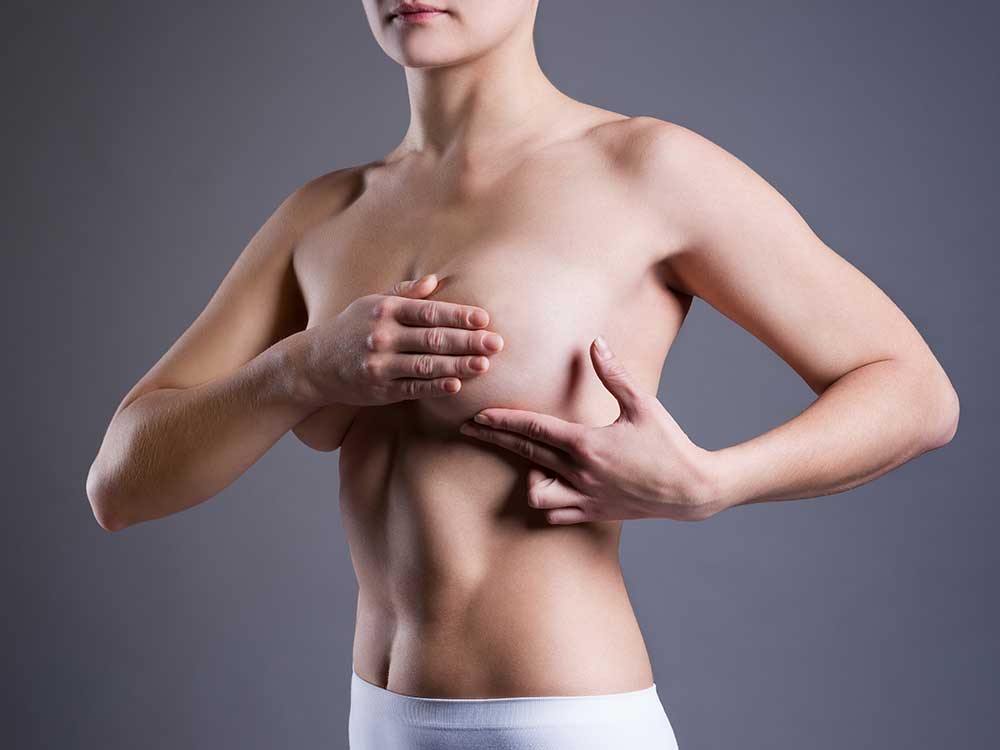
The tuberous (tubular) breast deformity is a congenital breast anomaly characterized by a specific malformation of the mammary gland and breast tissue. This deformity develops during puberty and therefore affects young women in a particularly important and vulnerable phase of development. It can have significant psychological as well as physical effects.



Important Facts About Tuberous Breast Deformity
The exact causes of tuberous breast deformity are still not fully understood. However, it is assumed that both genetic and environmental factors play a role. A genetic predisposition may cause certain breast gland structures to develop improperly. Hormonal imbalances during puberty may also contribute to the deformity, although their precise impact remains unclear. In rare cases, trauma such as breast injuries or previous surgeries can interfere with normal breast development and lead to a tuberous deformity — though this is considered an exceptional cause.
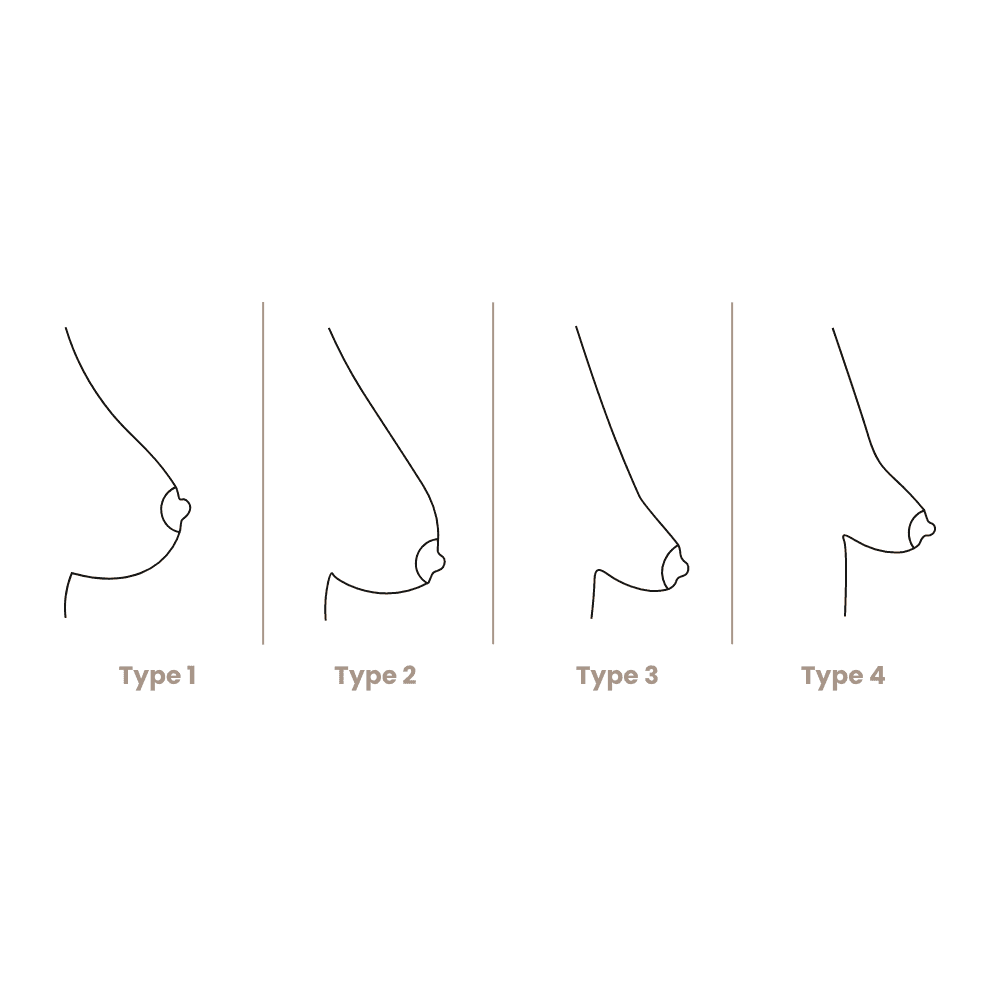
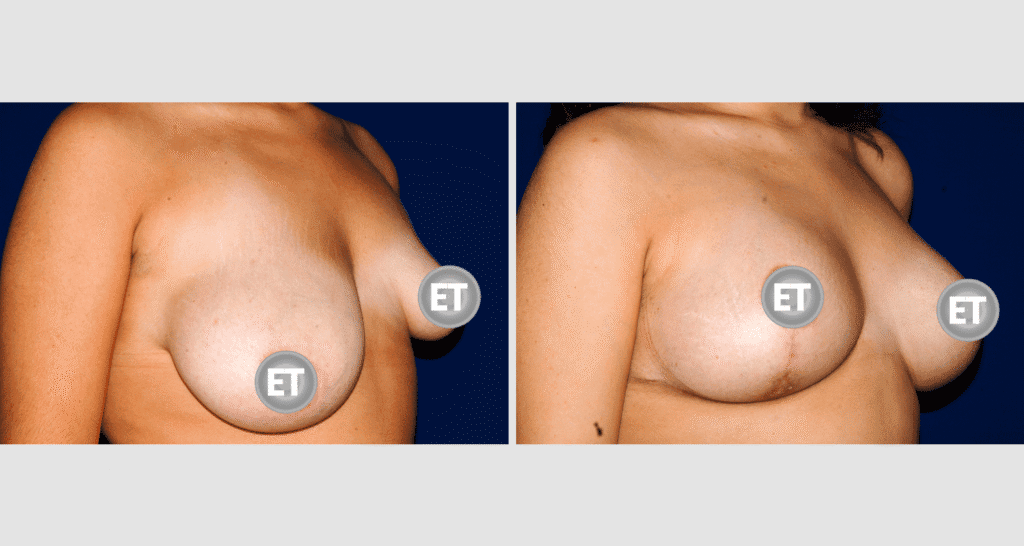
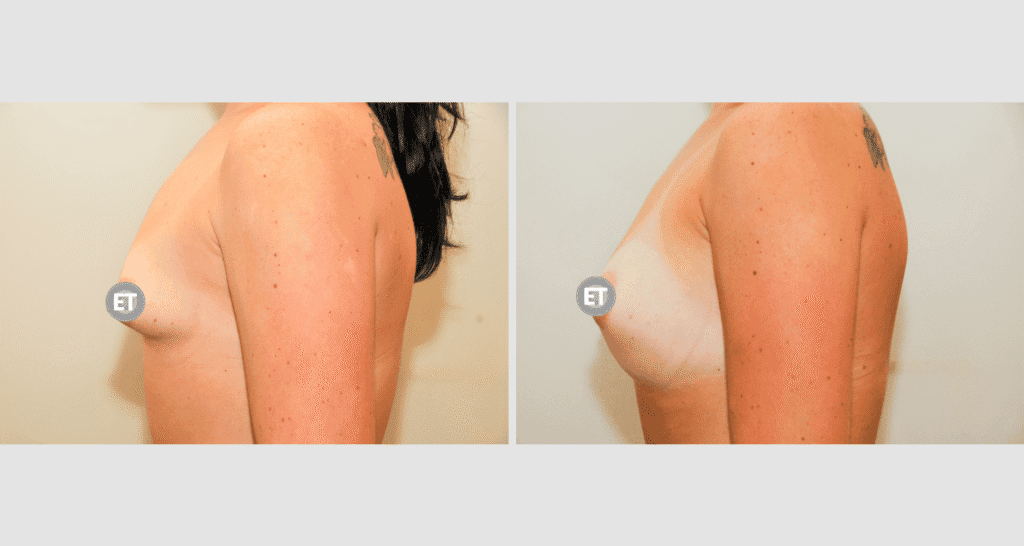
The appearance of a tuberous breast deformity can vary from mild to severe. Typically, the breasts are asymmetric and have an abnormal shape. The most common form features a tubular (trunk-like) structure with a narrow base, a slender tip, and enlarged areolas (6–8 cm in diameter).
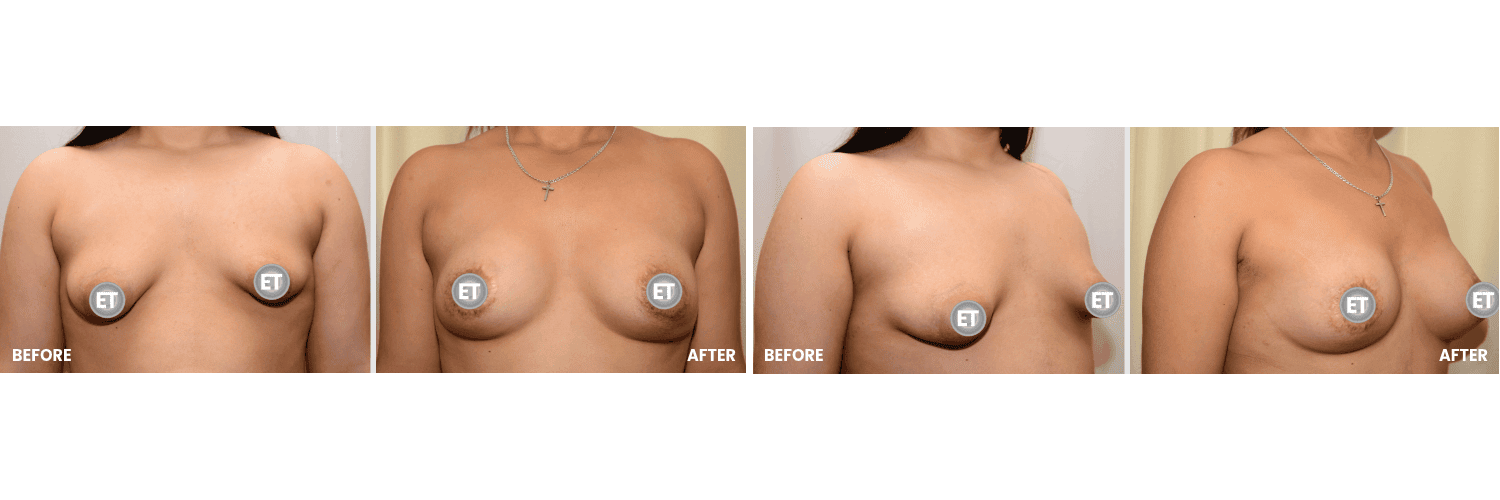
In many cases, there is also underdevelopment (hypoplasia) of the breast tissue, resulting in breasts that are both deformed and too small, often asymmetrical, and differing considerably in size (see reference images).
The areola (nipple area) may also be displaced — too low, too high, or too far to the side.
These characteristics can naturally lead to significant psychological distress, especially in young women, as the breast represents femininity and attractiveness. Affected girls and women often avoid undressing and may feel severely limited in social and romantic relationships due to their diminished self-esteem.

Concept of Correcting Tuberous Breast Deformity
Conservative (non-surgical) treatment options for tuberous breast deformity are very limited, as this condition does not respond to non-surgical methods. In some cases, hormone therapy may be recommended to stimulate breast growth, but its effectiveness is limited, and there is little scientific evidence to support its success.
The surgical correction of a tuberous breast deformity can be a true challenge, depending on the severity and type of the deformity — yet it remains the only truly effective treatment.
A comprehensive correction must address all aspects of the deformity:
- Reshaping the breast to transform its conical or tubular shape into a natural, rounded form,
- Augmentation of underdeveloped breasts or correction of asymmetry, and
- Adjustment of the areola’s position and size, which is very often necessary.
Technique of Correction of the Mammary Tuberous Deformity
The correction of the breast shape can almost always only be achieved by detaching the glandular body from its base (the pectoral muscle) during surgery, repositioning it outward, and then dividing the cylindrical/conical structure at its base — essentially spreading it open like the segments of an orange. The idea of partially incising the glandular body of a young woman may sound unappealing, but in fact, this is the only effective method to transform a cylindrical shape into a hemispherical one.
It should be noted that, in such cases, the ability to breastfeed may not be optimally preserved or could be partially lost. In cases of mild deformity, a fat graft (autologous fat transfer) can be used to correct the shape by precisely placing the fat into the deficient areas — without the need for a major surgical procedure.
The correction of volume deficiency is most easily achieved with a silicone implant, which has the advantage of accomplishing everything in a single operation. However, it also carries all the disadvantages associated with foreign body implants (capsular fibrosis, deformation, sagging, etc.).
An alternative — and generally the better one — is autologous fat transplantation, though it usually needs to be repeated two or three times, since the survival rate of the transplanted fat is limited and not entirely predictable. Only in rare cases is a tissue expander required to pre-stretch the skin.
The Areola Almost Always Needs to Be Reduced
Reducing and repositioning the areola (nipple area) is almost always required in the correction of tuberous breast deformity. While this step is technically less complex, the procedure as a whole demands precise planning and significant surgical experience to achieve a harmonious and satisfying result.
IMPORTANT: An Implant Alone Is Almost Always the Wrong Approach
It must be emphasized very clearly that inserting a silicone implant alone, as done in a standard breast augmentation, is usually insufficient.
An implant increases breast volume but does not correct the abnormal shape — therefore, it cannot serve as a standalone solution.
By contrast, autologous fat transfer (lipofilling) can, in mild cases, achieve satisfactory results through precise modeling of the breast shape. However, this requires 2 to 4 sessions, since part of the transplanted fat is naturally reabsorbed by the body.
The enlarged areolas must, in any case, be corrected separately to restore a natural and proportionate appearance.
Summary
The mammary tuberous deformity is a complex anomaly of breast development that can affect both the aesthetic appearance and the function of the breast. The exact cause of this deformity is not yet fully understood, and there are various surgical treatment options that can enable a significant improvement in breast shape. The choice of the right technique depends on the individual needs, the nature, and the degree of the deformity. A thorough evaluation by an experienced plastic surgeon is essential. It is important that the patient has realistic expectations and is aware of the possible risks and complications before deciding on surgical treatment; therefore, parents can/should be included in the consultation for younger patients.
Aftercare: depending on how extensive the procedure is, aftercare must be planned accordingly. If the correction of the mammary tuberous deformity is carried out exclusively with autologous fat, the treated breast must be kept still for eight weeks, which means avoiding bouncing sports (running, aerobics). Strength training in a lying position without jumping is already allowed after 10 days. In the case of more extensive procedures where the breast shape is surgically corrected, absolute rest is required for 14 days. A supportive bra, which must be precisely fitted, should be worn for at least six weeks; afterward, avoid bouncing sports for another four weeks and then always wear a sports bra when running.







Tuberous Breast Deformity – Overview
Anesthesia

The procedures are generally performed under general anesthesia, while autologous fat transplantation can also be carried out under sedation. Hospitalization is required for the surgical correction of the breast tissue, during which drainage tubes are placed in the breast. In the case of fat grafting, a day-clinic stay is usually sufficient, and drainage is not necessary.
Costs

The correction of tuberous breast deformity is not a cosmetic procedure and should, as a rule, be covered by health insurance. This also includes any necessary corrective or complementary procedures.
It is crucial to choose a specialized center or an experienced plastic surgeon who can demonstrate their expertise through extensive photographic documentation — this operation truly requires significant experience to achieve good results.
However, as I now work exclusively in private practice, additional costs should be expected, the amount of which naturally depends on the complexity of the procedure.
Surgery Preparation
The preparations are the same as for any other surgical procedure: the general health condition and blood test results must be checked before the operation, and surgical clearance from a pediatrician or internist is, of course, essential.
Complications
As with any surgical procedure, complications cannot be completely ruled out in the correction of tuberous breast deformity. The more extensive and complex the surgery, the higher the potential for complications.
The most common complication is postoperative bleeding, while infection is actually very rare. If a breast augmentation with implants is performed in addition to the reshaping, there is a risk of implant displacement or infection, as with any surgery involving silicone implants.
Unfavorable scarring cannot always be prevented or excluded. Special care must be taken to ensure that, when relocating and reducing the areola (if necessary), excessive tension is not placed on the surrounding skin edges — but these are principles well known to experienced surgeons.
Timing for Correction

The correction can certainly be performed at a young age — many girls are already fully developed by the age of 14 or 15. If no change in breast size or shape has occurred within one year, surgical correction can already be considered at that time.
Results
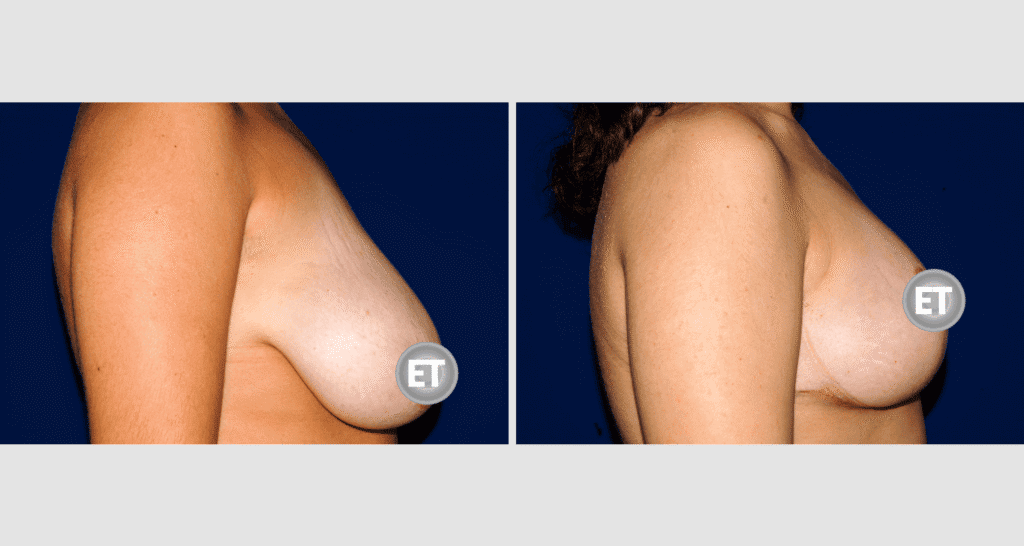
Before / After
Reviews
What our patients say

Dr. Turkof made my lips more beautiful and symmetrical.
He looked from every angle and only injected the filler where I really needed it. I look natural — if it were possible, I would get more injected.
I know Dr. Turkof through a friend who came all the way from Germany specifically for him. She was very happy with him and recommended him to me, as I was really struggling with dark under-eye circles. My surgery was 3 months ago and I am very pleased with the natural result.
I had two operations with autologous fat transfer to the breast and ribs with Prof. Turkof.
The result is fantastic and I am very satisfied. The quality of Prof. Turkof as a plastic surgeon is, from my perspective, undisputed.

Contact
Interested in a consultation?
Popular Treatments
Breast augmentation using the patient’s own fat
Gentle breast augmentation using the body's own fat – for a natural shape and harmonious proportions.
Learn moreEyelid Lift in Vienna | Youthful Eyes
A fresher, more alert appearance achieved by removing excess skin from the upper and lower eyelids.
Learn moreFacelift
Facial and neck tightening for a visibly younger, naturally fresh appearance.
Learn moreGynecomastia
Treatment for male breast enlargement to achieve a masculine, flat chest contour and boost self-confidence.
Learn moreRhinoplasty
Aesthetic and functional rhinoplasty for a harmonious facial profile.
Learn more