

Nerve compression syndromes
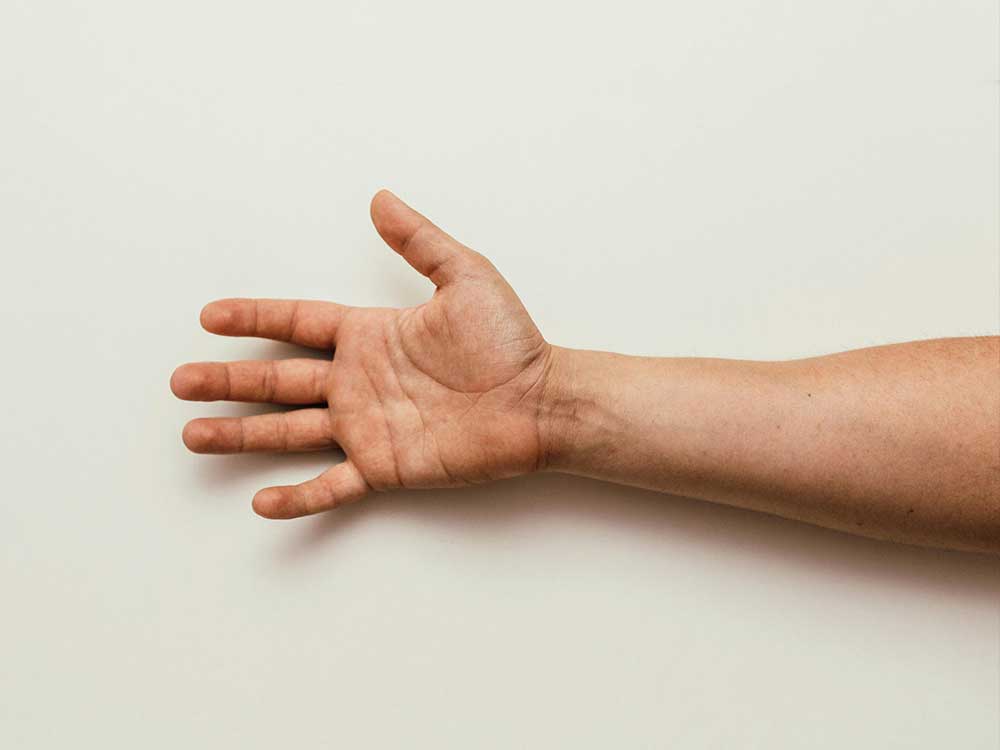
Nerve compression syndromes refer to the symptoms, manifestations, and consequences of compressed nerves outside the brain and spinal column.



What are nerve compression syndromes?
Nerves are delicate structures that extend from specific openings in the skull or from the spinal column to the organs (autonomic nerves), the internal muscles, and the limbs. Nerves transmit impulses sent by the brain to regulate organ function, activate muscles, and carry sensations from the fingers or skin back to the brain. The autonomic nerves are not under voluntary control, while the other nerves are.
When a nerve becomes compressed at some point along its course—whatever the cause—it loses its function. If the cause of the compression is eliminated, the function can often be completely restored. There are numerous reasons why nerves can become compressed: they may become diseased and swell, leaving too little space in the surrounding area (as in leprosy or diabetes mellitus). Or excessive activity may cause the surrounding tissues to swell, leading to compression of the nerve in an area where there is not enough room (for example, frequent keyboard use or operating a jackhammer).
The best-known nerve compression syndrome is carpal tunnel syndrome
The median nerve (nervus medianus) lies between the membrane of the two forearm bones and the ligamentum carpi transversum. Intense wrist activity (typing, excessive sports activity) can cause this canal to become too tight, resulting in numbness in the first three fingers and, over time, atrophy of the thenar muscles (loss of thumb muscle volume).
Other compression syndromes include ulnar groove syndrome (sulcus nervi ulnaris syndrome, SNUS), tarsal tunnel syndrome, and pronator teres syndrome. Thoracic outlet syndrome (TOS) also belongs to this group, as do many types of migraine.
Almost all nerve compression syndromes can be corrected surgically
As a student of Professor Hanno Millesi, a world-renowned pioneer in peripheral nerve surgery, I was involved in the treatment of nerve compression from the very beginning.
Nerve compression syndromes are treated surgically by various medical specialties. In my view, plastic surgeons—whose training in this field, including microsurgery, is particularly advanced—possess the greatest core competence to solve these problems. Often, it is not enough simply to open a compressed canal; one must also ensure that renewed narrowing or fibrosis of the canal does not occur. Assessing these special problems requires great experience, as correction often involves tissue transfer—for example, when a fibrosed nerve must be wrapped in soft tissue or when the canal must be enlarged to prevent recurrence.







Reviews
What our patients say

Dr. Turkof made my lips more beautiful and symmetrical.
He looked from every angle and only injected the filler where I really needed it. I look natural — if it were possible, I would get more injected.
I know Dr. Turkof through a friend who came all the way from Germany specifically for him. She was very happy with him and recommended him to me, as I was really struggling with dark under-eye circles. My surgery was 3 months ago and I am very pleased with the natural result.
I had two operations with autologous fat transfer to the breast and ribs with Prof. Turkof.
The result is fantastic and I am very satisfied. The quality of Prof. Turkof as a plastic surgeon is, from my perspective, undisputed.

Contact
Interested in a consultation?
Popular Treatments
Breast augmentation using the patient’s own fat
Gentle breast augmentation using the body's own fat – for a natural shape and harmonious proportions.
Learn moreEyelid Lift in Vienna | Youthful Eyes
A fresher, more alert appearance achieved by removing excess skin from the upper and lower eyelids.
Learn moreFacelift
Facial and neck tightening for a visibly younger, naturally fresh appearance.
Learn moreGynecomastia
Treatment for male breast enlargement to achieve a masculine, flat chest contour and boost self-confidence.
Learn moreRhinoplasty
Aesthetic and functional rhinoplasty for a harmonious facial profile.
Learn more